.png)

Built specifically for the Australian climate, the WincovER Simulator models how different window shading affect the energy performance and running costs of residential homes. It draws on thousands of data points to deliver clear, and reliable insights. The simulator helps consumers compare options and confidently assess performance.

Exclusive to WSAA members, this first-of-its-kind simulator helps you calculate real energy and cost-saving outcomes for Australian homes. Powered by thousands of data points, it is fast, intuitive to use, and designed to integrate seamlessly with your internal sales and workflow systems.

.jpg)
Built on a foundation of location-specific climate data and real-world housing types, the WincovER Simulator models the actual impact of window coverings on heating and cooling energy demand.The simulator analyses thermal characteristics, product behaviour, and control schedules to reveal where energy can be saved, and how much.
.jpg)
The simulator translates technical outputs into estimated annual cost savings, based on realistic usage and consumption profiles. Members can use these results to generate quotes, validate product choices, and deliver recommendations that speak directly to cost and energy savings. Downloadable certificates allow you to embed insights into your workflow, proposals and presentations.
.jpg)
The simulator has been built with real-world workflows in mind. For members using quoting platforms or sales automation software, integration options allow simulation results to be embedded directly into proposals, quotes, or client-facing reports. Save time, reduce manual entry, and deliver smarter documents that reflect real data.
.jpg)
The simulator guides you through a simple sequence of selections reflecting real buildings, product configurations, and usage scenarios. Behind the scenes, it matches your inputs to thousands of pre-calculated outcomes.The result is fast, accurate, and easy to understand, without needing any technical expertise. Choose, simulate, compare, and generate results in real time with confidence.
.jpg)
WincovER recognises the diverse range of shading products available in the Australian market. Each product type is assessed for its thermal performance through testing, auditing, and computer simulation, factoring in mounting position, operation type (manual or automated), and material composition.
From internal window shades to external shading systems, the WincovER Simulator supports a broad range of core product types. Each can be assessed for energy performance and estimated cost savings to help inform smarter product advice.
.jpg)
A sleek, single-layer fabric blind that rolls up neatly. Ideal for clean aesthetics and effective light control.
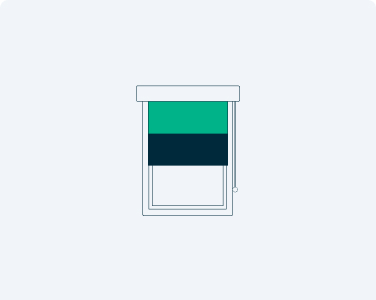
Combines two fabrics—typically sunscreen and blockout—for versatile day-night control over privacy, glare, and insulation.
.jpg)
A soft fabric blind that folds into elegant horizontal pleats when raised. Offers good thermal insulation and decorative appeal.
.jpg)
Made of horizontal slats (timber, aluminium or PVC) that tilt for precise light and privacy control. Suitable for varied styles and light regulation.
.jpg)
Vertical fabric slats that rotate and draw sideways. Often used for sliding doors or large windows, offering adjustable shading.
.jpg)
Large fabric panels that slide across a track. Ideal for wide openings and contemporary interiors.
.jpg)
A hybrid of curtains and blinds—soft fabric vanes hang vertically and can be tilted. Provides privacy without compromising airflow.
.jpg)
Natural textured blinds made from materials like bamboo or jute. Adds warmth and light filtration while offering moderate insulation.
.jpg)
Alternating sheer and opaque stripes that slide to adjust light. Combines modern style with flexible control.
.jpg)
Light, transparent fabric that softens daylight and provides passive privacy. Best paired with other shades for thermal performance.
A Roman blind with an additional insulating liner for improved energy efficiency and light blocking.
.jpg)
Heavy, lined curtains designed to block out sunlight completely. Effective at reducing heat transfer and improving sleep environments.
.jpg)
Blinds made of layered fabric cells that trap air. Highly energy efficient and available in single or double-cell designs.
.jpg)
Solid, louvred shutters fitted within the window frame. Excellent for insulation, privacy, and controlling airflow.
.jpg)
Robust outdoor blinds with side-tracking systems. Provide shade, reduce heat gain, and protect outdoor living areas.
.jpg)
Outdoor blinds held in place by side cables. Sleek design with wind stability, ideal for sun protection on balconies and facades.





.jpg)
.jpg)